
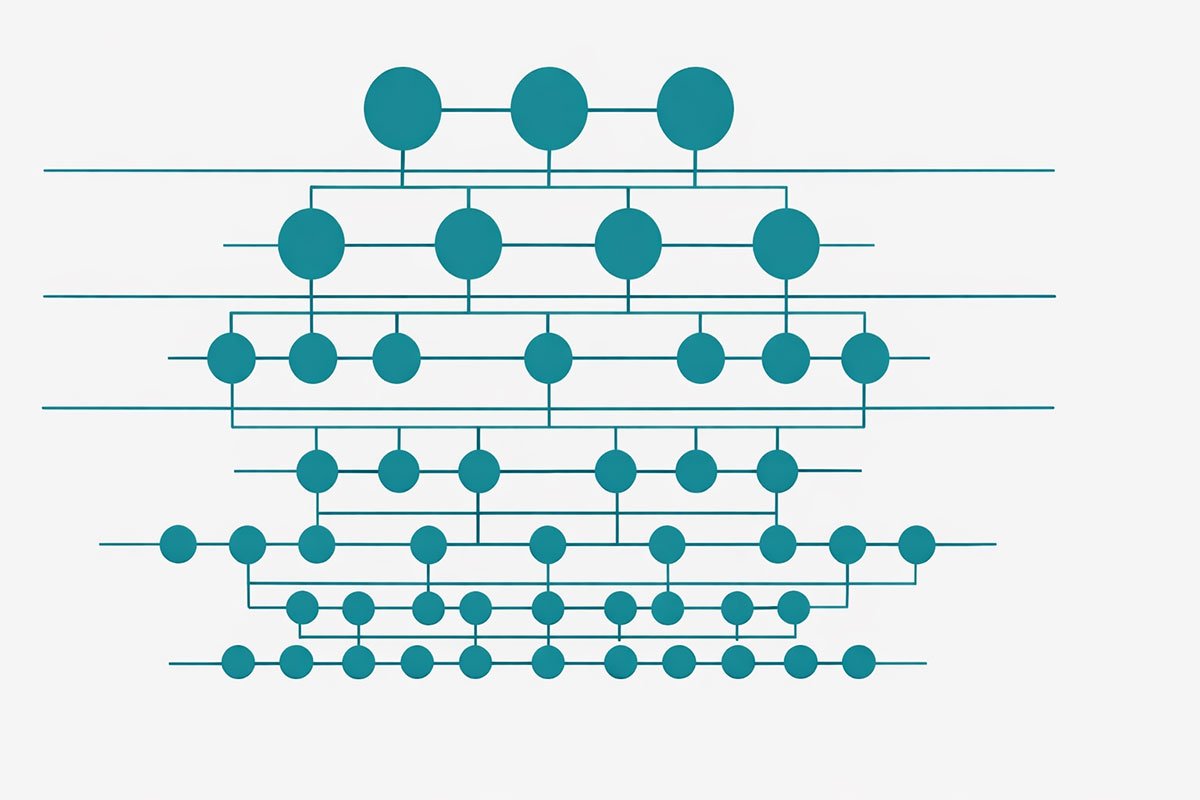
A clarification on the role of AI in governed execution systems.
Artificial intelligence does not fail because it is inaccurate.
It fails because it is often introduced without structure, boundaries, or accountable oversight.
In execution environments, AI is most dangerous when it is framed as a solution rather than as assisted infrastructure.
The primary risk is not automation itself.
It is opacity.
When AI systems are introduced without clear constraints, they create execution conditions where:
- decisions cannot be explained
- responsibility cannot be traced
- errors scale faster than intervention
- optimisation precedes understanding
This is not a tooling problem.
It is a governance problem.
When AI Is Introduced Safely
Within Zylaris Digital execution environments, AI is permitted only where:
- decision boundaries are predefined
- human oversight is mandatory
- failure modes are observable
- outputs are reviewable and reversible
- responsibility remains explicit
AI is never allowed to redefine intent, scope, or correctness.
It operates strictly inside validated structure.
When AI Becomes a Liability
AI introduces fragility when:
- processes are automated before they are stable
- systems adapt faster than teams can audit
- optimisation hides structural defects
- accountability is deferred to models
In these conditions, AI does not amplify people.
It accelerates error.
AI does not make systems intelligent.
Structure does.
When AI is treated as assisted infrastructure — not capability — execution remains durable under scale, change, and pressure.
Reliability depends on what AI is prevented from doing.